- Details
- Category: Sculptures
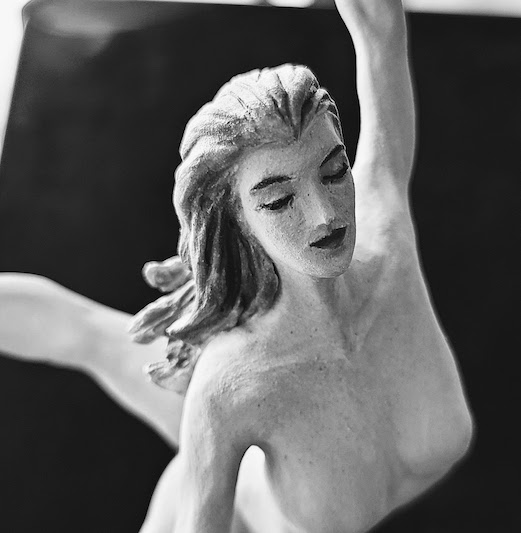
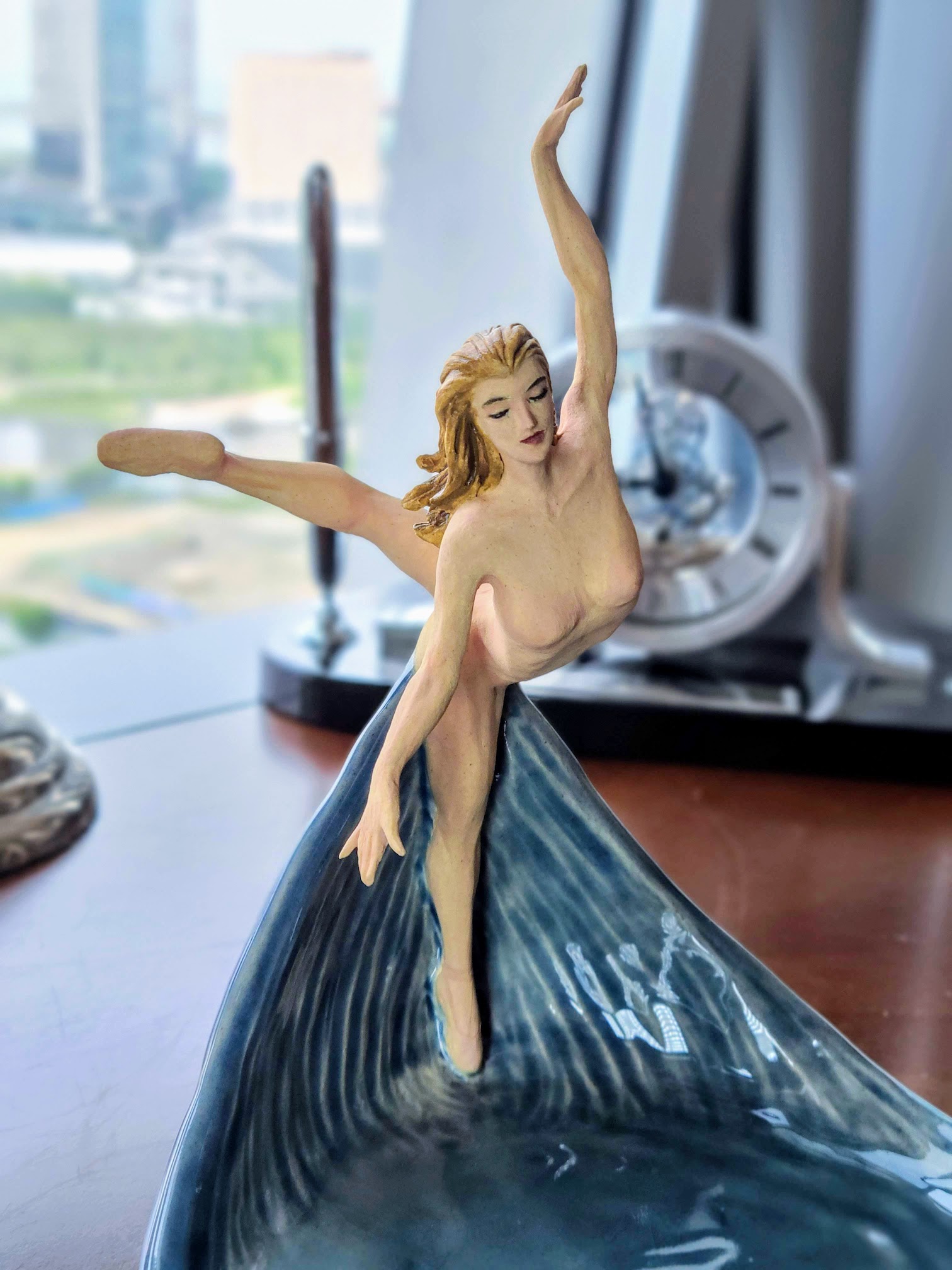
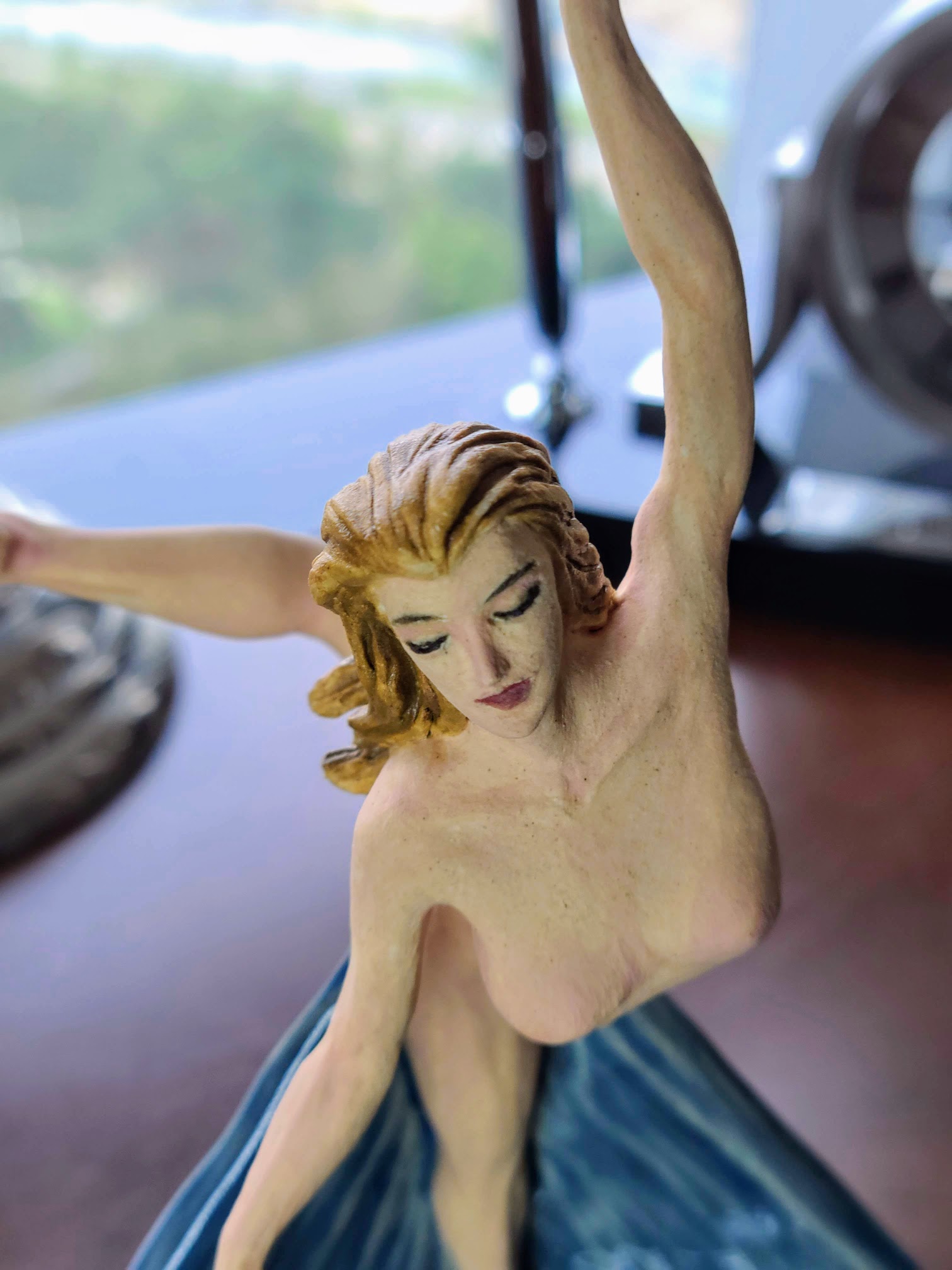
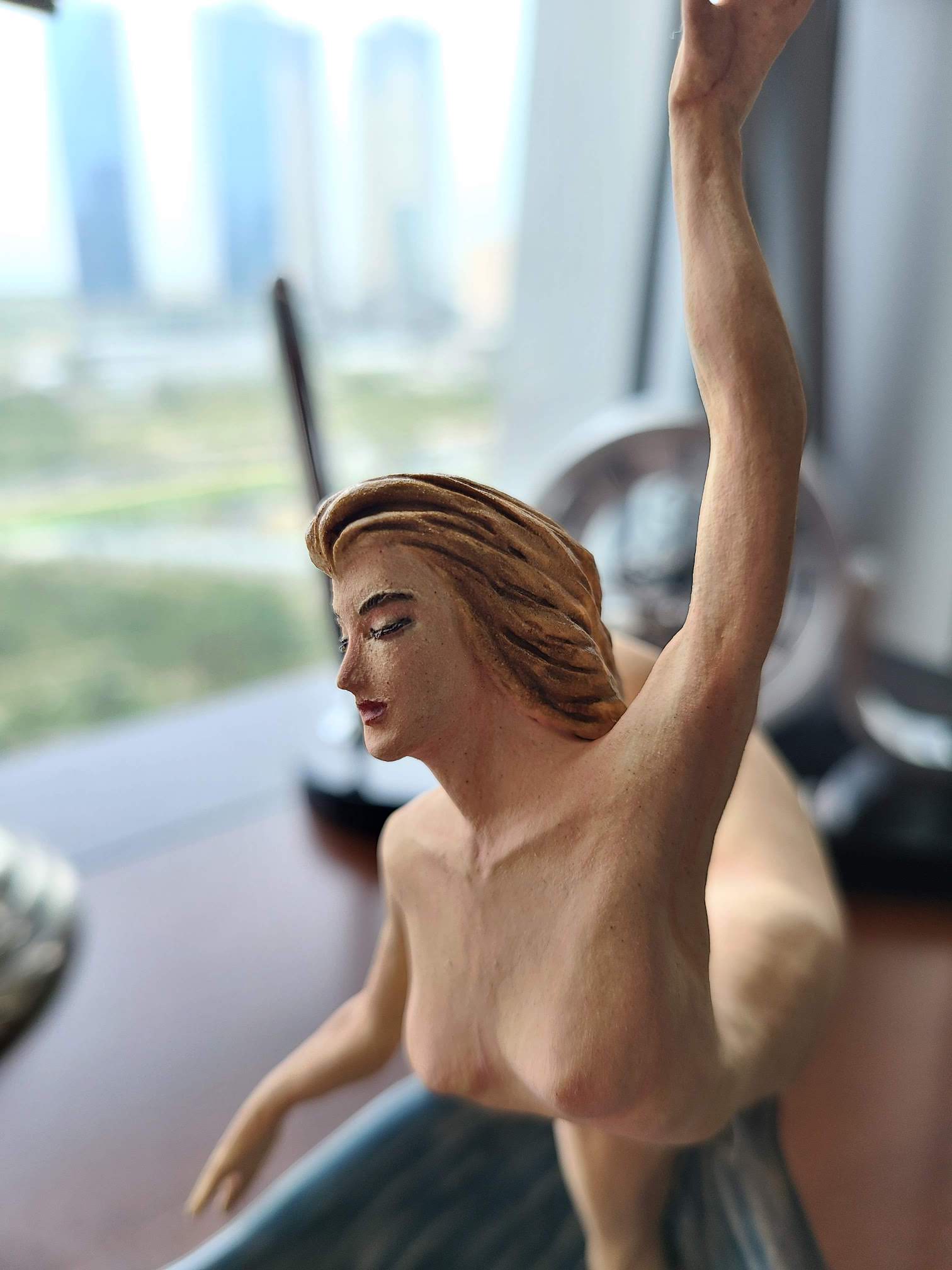
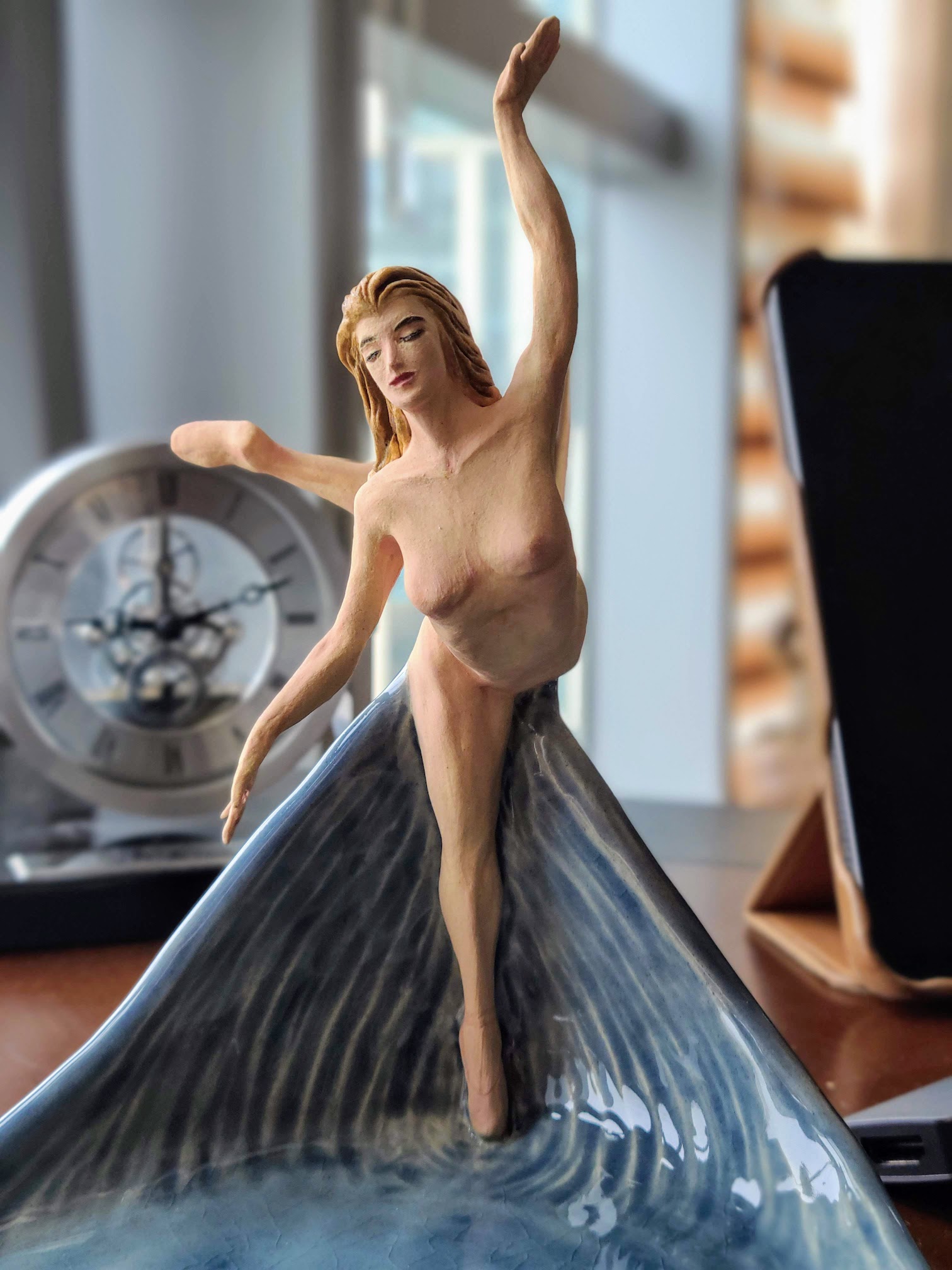
Swan Lake was a ballet composed by Tchaikovsky in 1875–76, about a prince that falls in love with a beautiful maiden named Odette who has been cursed into the body of a swan and is only able to take her human form at night by the enchanted lake. As this is an original tale developed for the ballet, I modeled a ballerina in a classic Attitude stance. My thanks again to the Ceramic Art Studio and Shop.
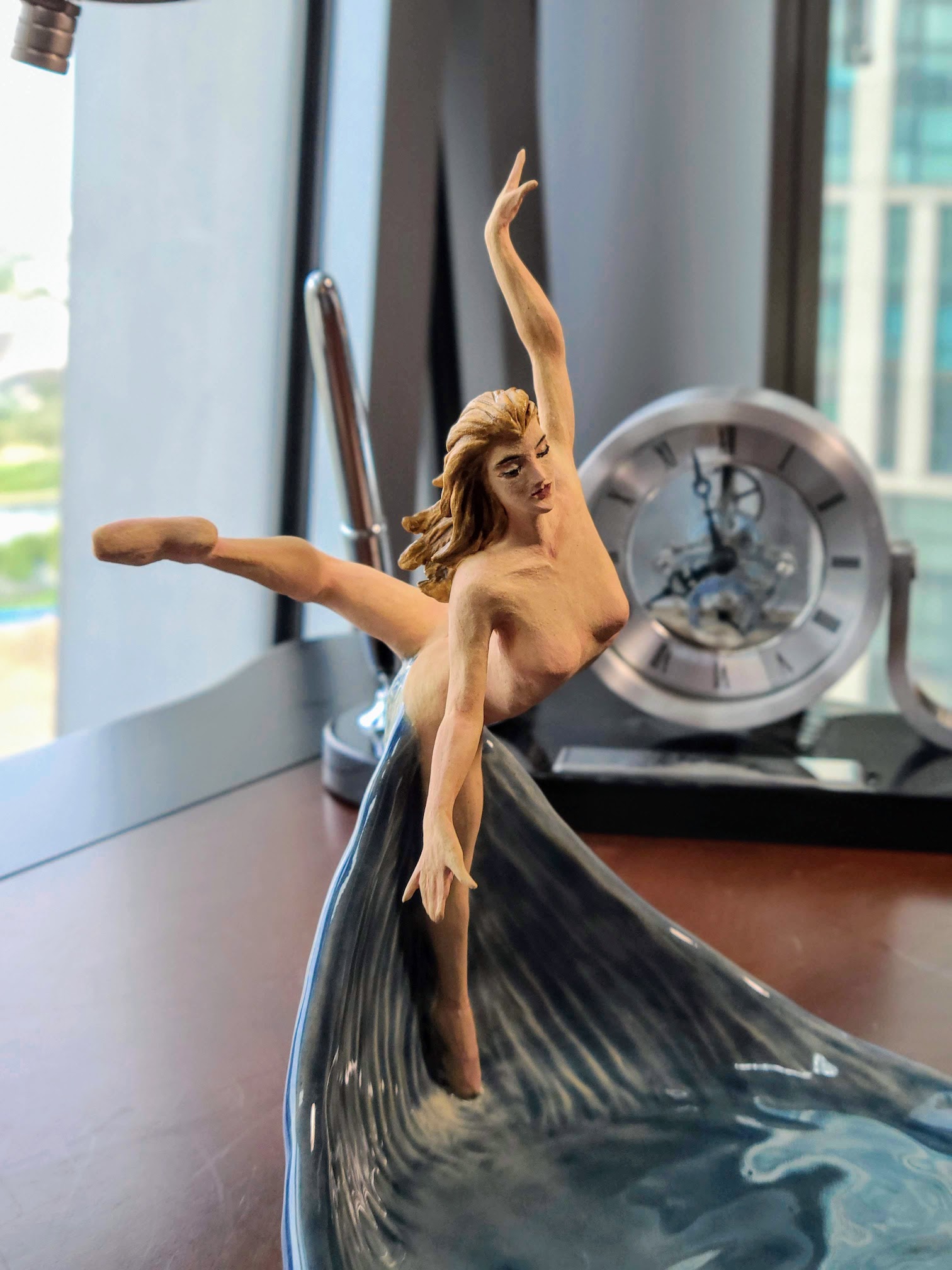
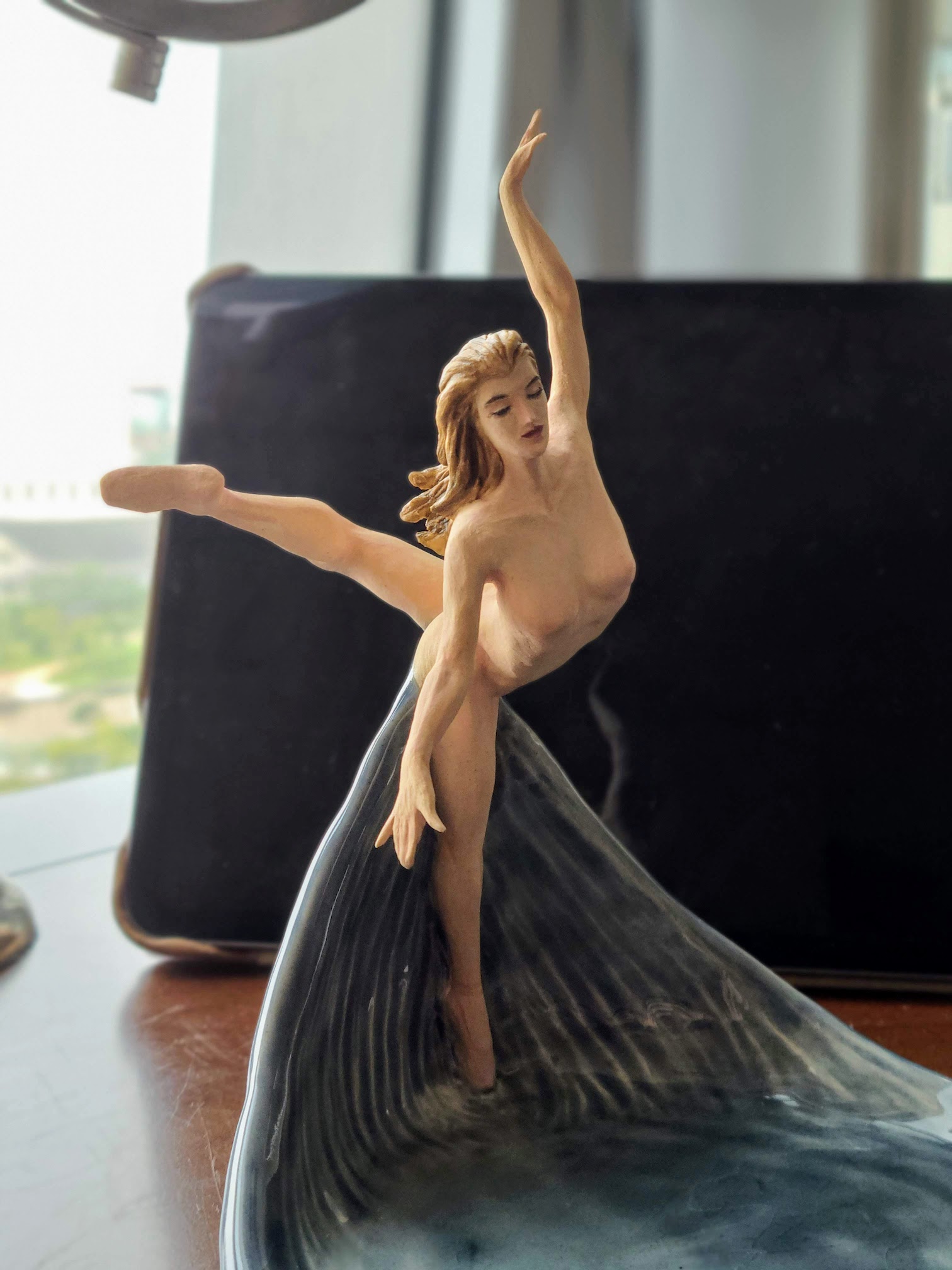
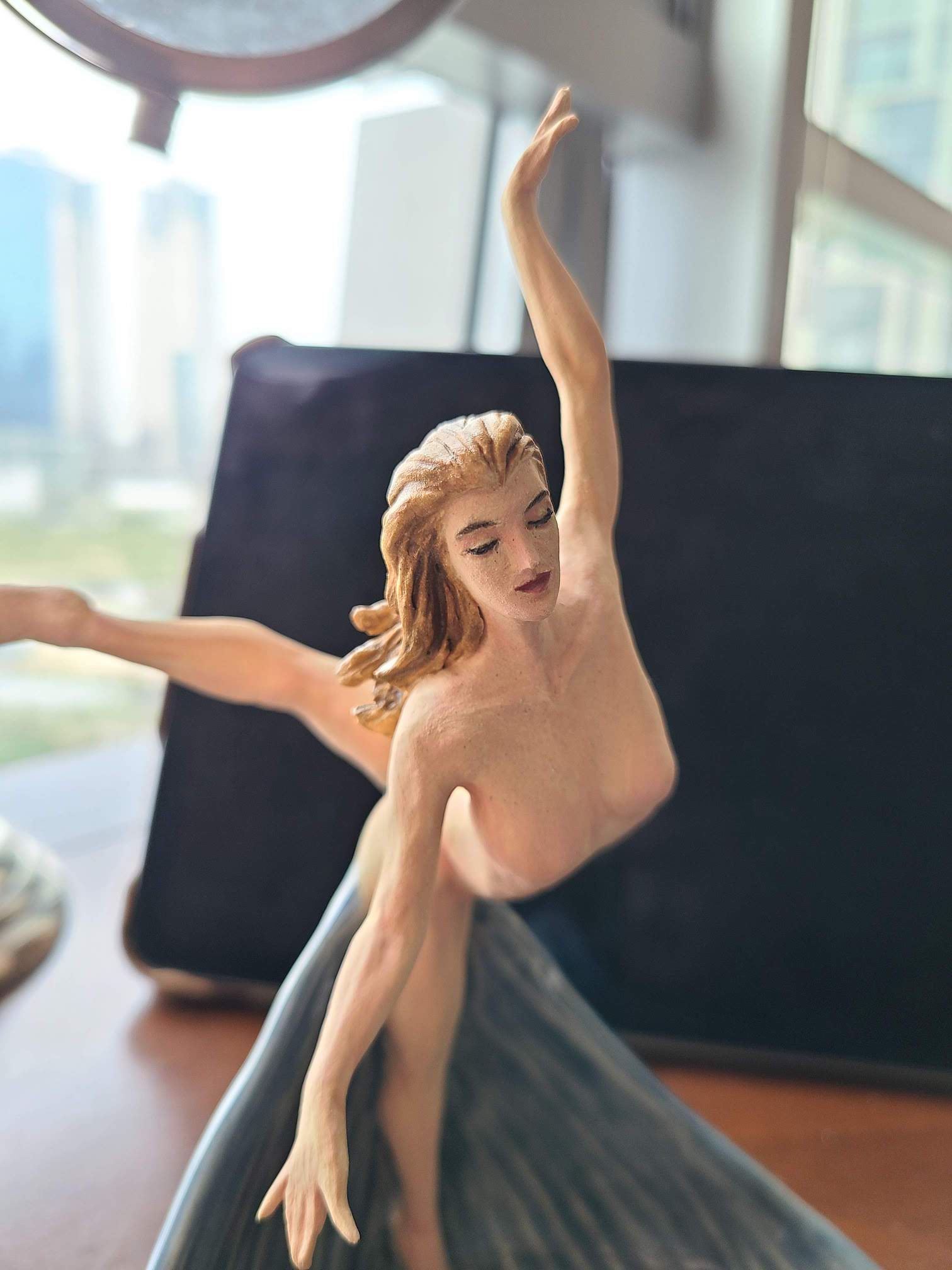
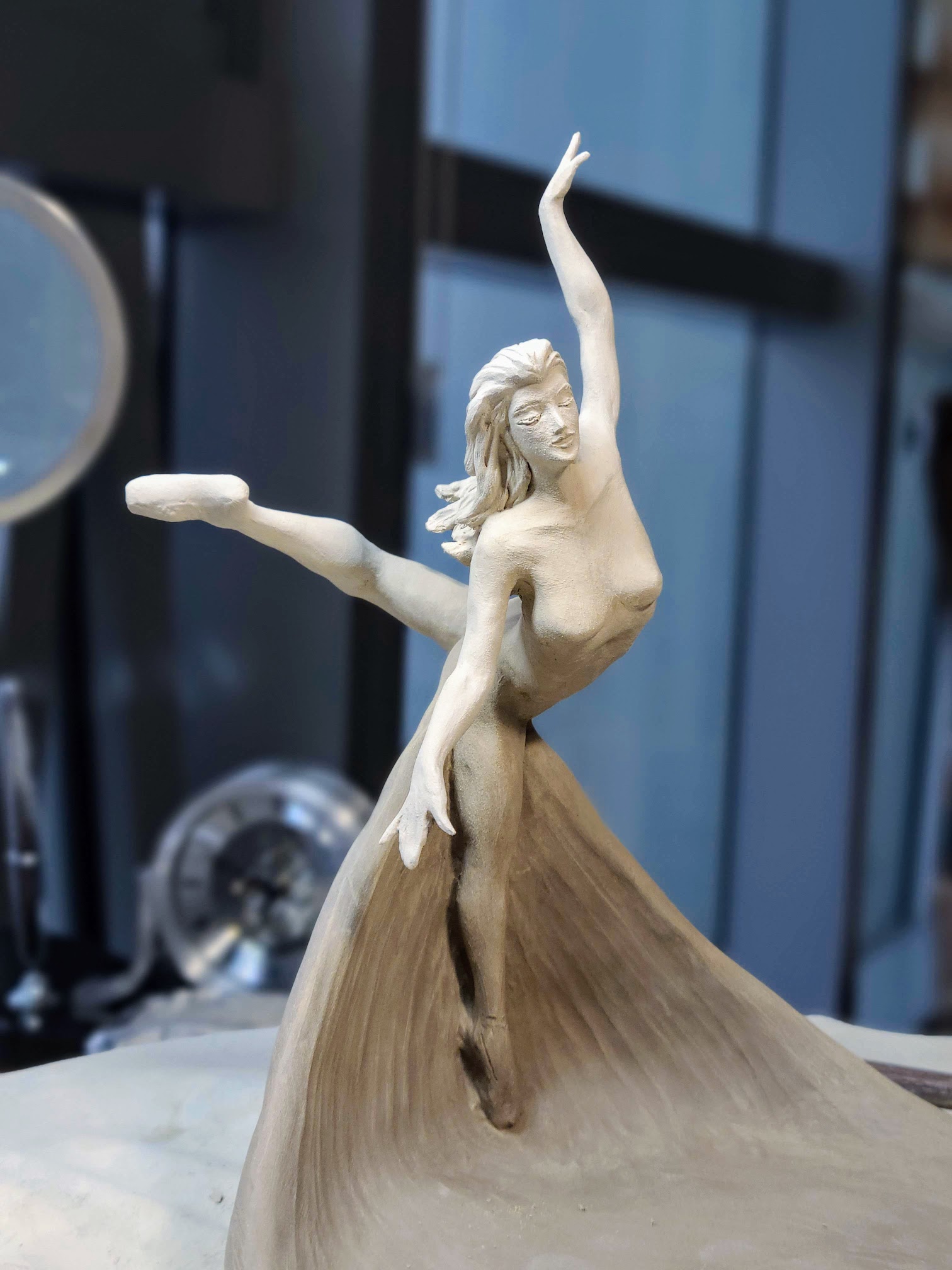
Wet clay model
- Details
- Category: Sculptures
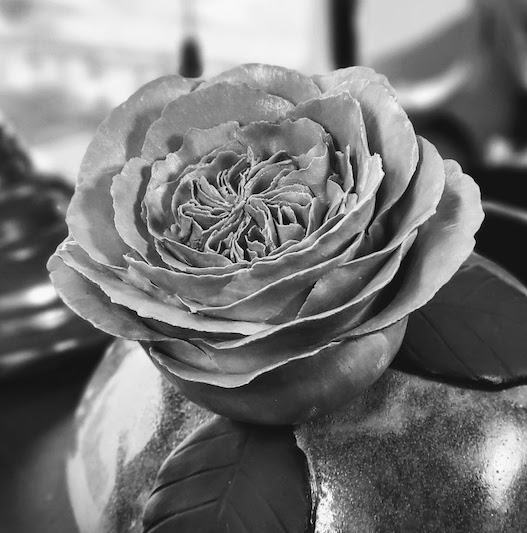
The Juliet Rose is an apricot colored English rose bred by David Austin and reputedly one of the most expensive flowers in the world. This flower box was a commissioned wedding gift and took me three attempts to successfully sculpt. My thanks again to the Ceramic Art Studio and Shop.
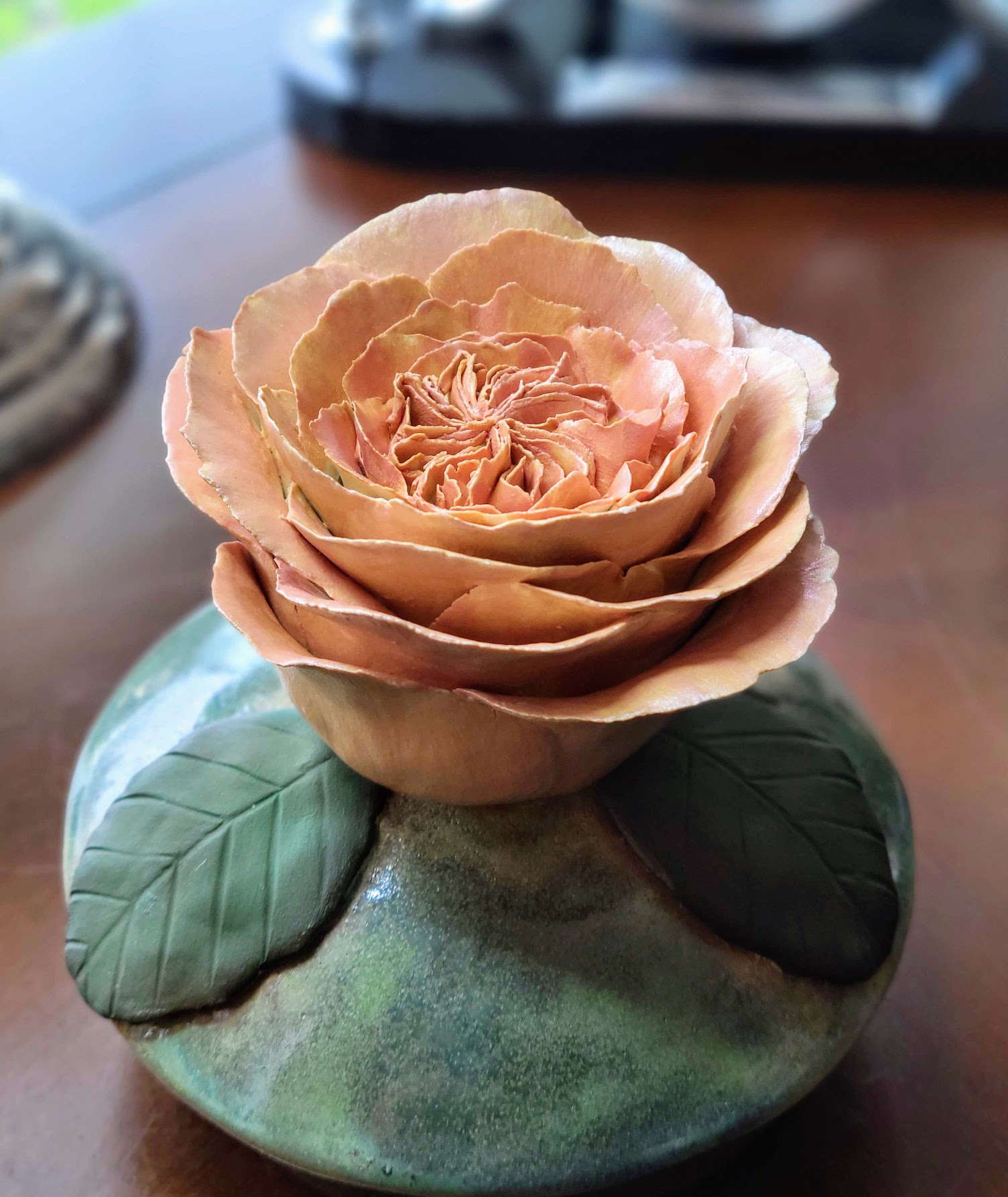
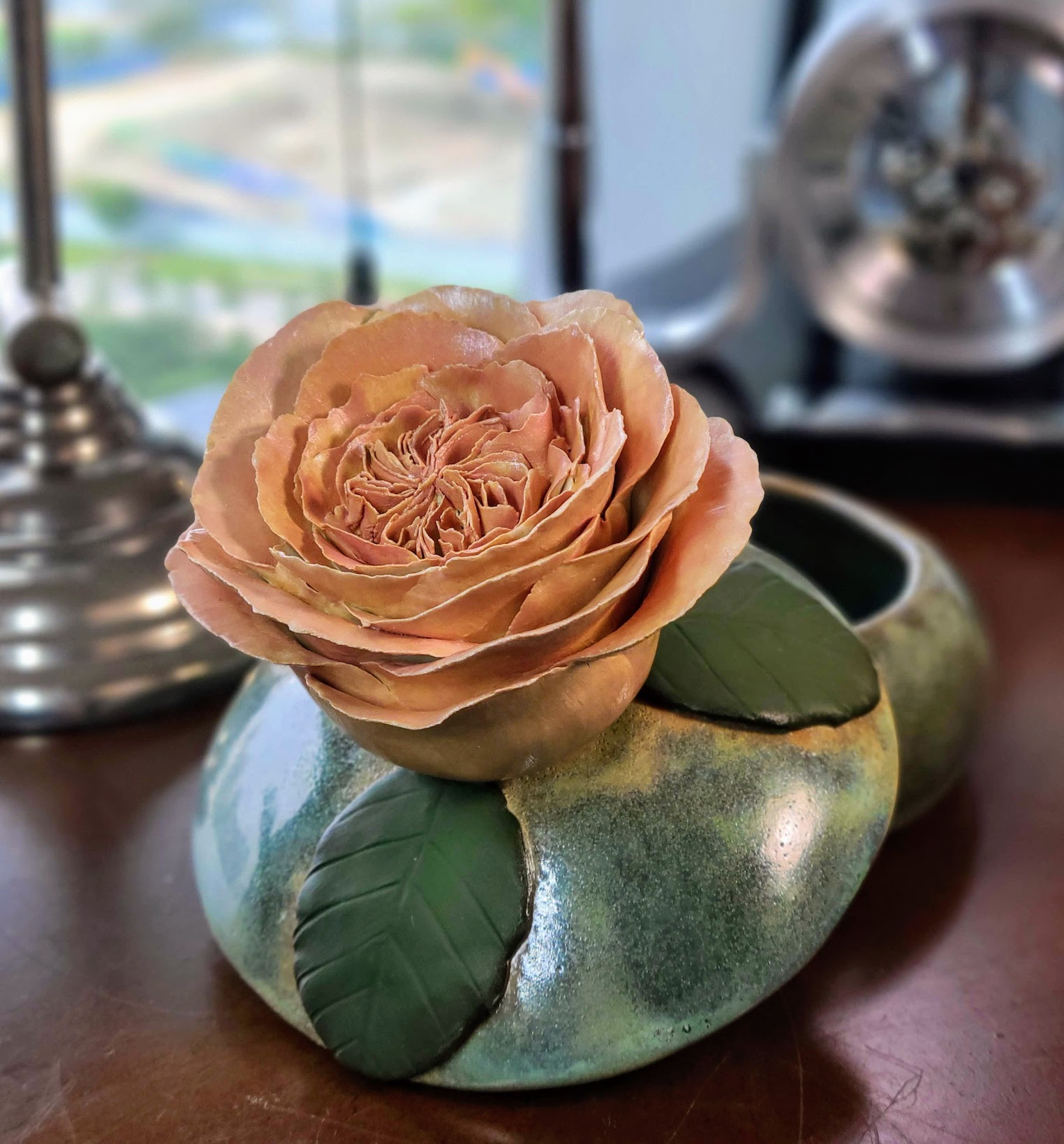
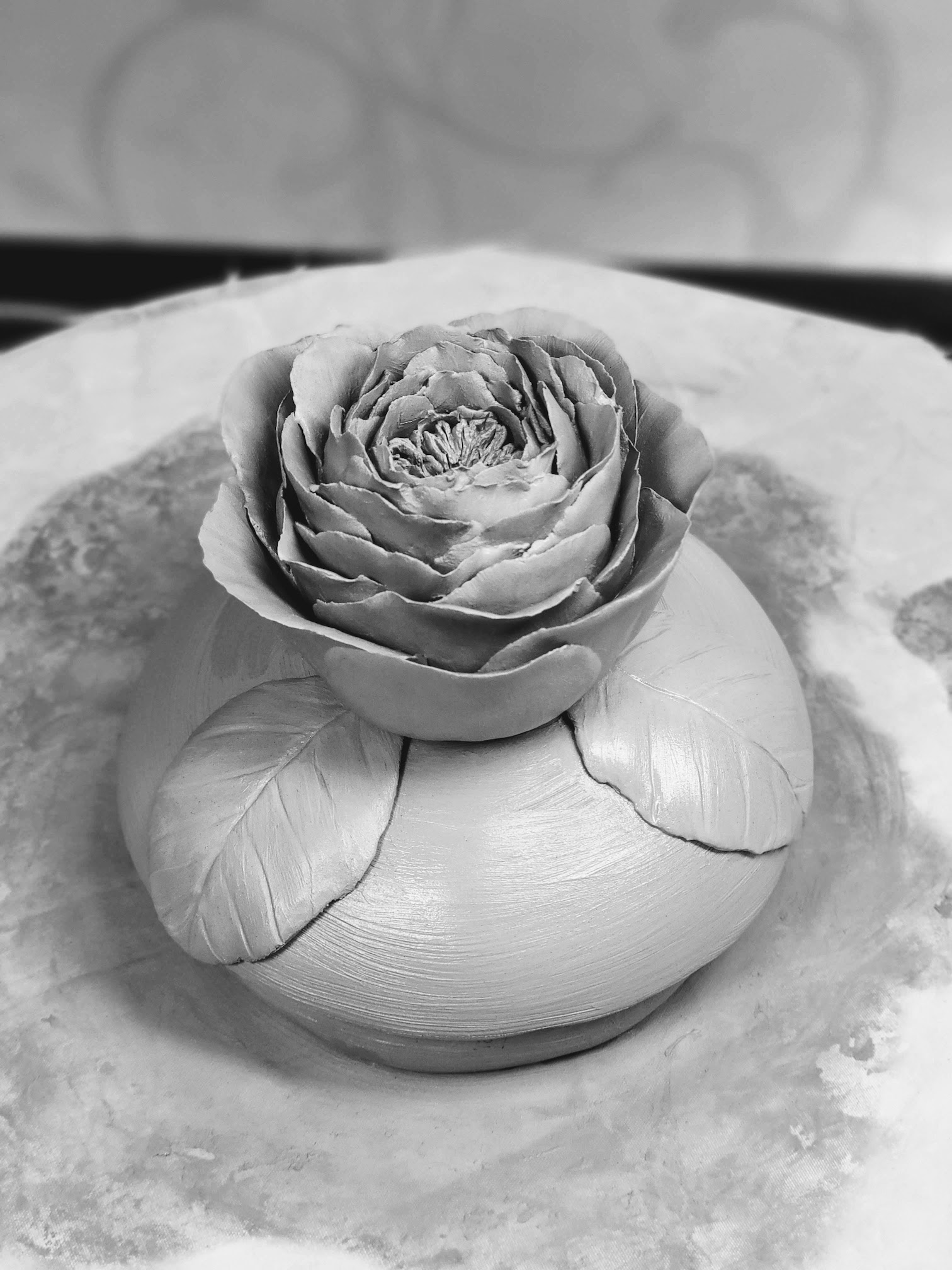
Wet clay model
- Details
- Category: Sculptures

The elephant and rhinoceros are the two largest land animals in the African continent and adorn this oval shaped bowl. My thanks again to the Ceramic Art Studio and Shop.


Wet clay model
- Details
- Category: Sculptures
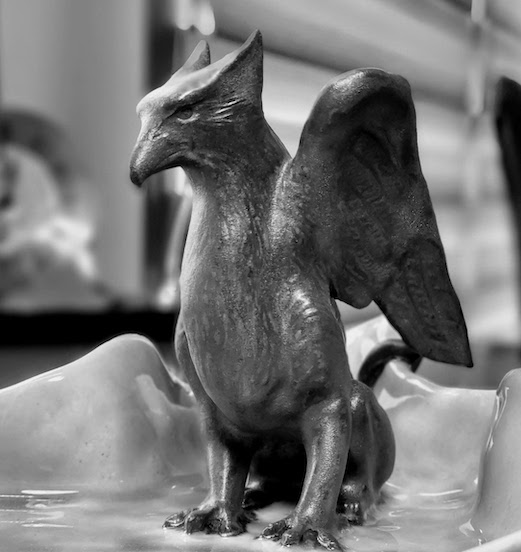
The griffin, griffon, or gryphon is a legendary creature with the body, tail, and back legs of a lion; the head and wings of an eagle; and sometimes an eagle's talons as its front feet. Because the lion was traditionally considered the king of the beasts, and the eagle the king of the birds, by the Middle Ages, the griffin was thought to be an especially powerful and majestic creature. Since classical antiquity, griffins were known for guarding treasures and priceless possessions. In medieval heraldry, the griffin became a Christian symbol of divine power and a guardian of the divine. My thanks again to the Ceramic Art Studio and Shop.
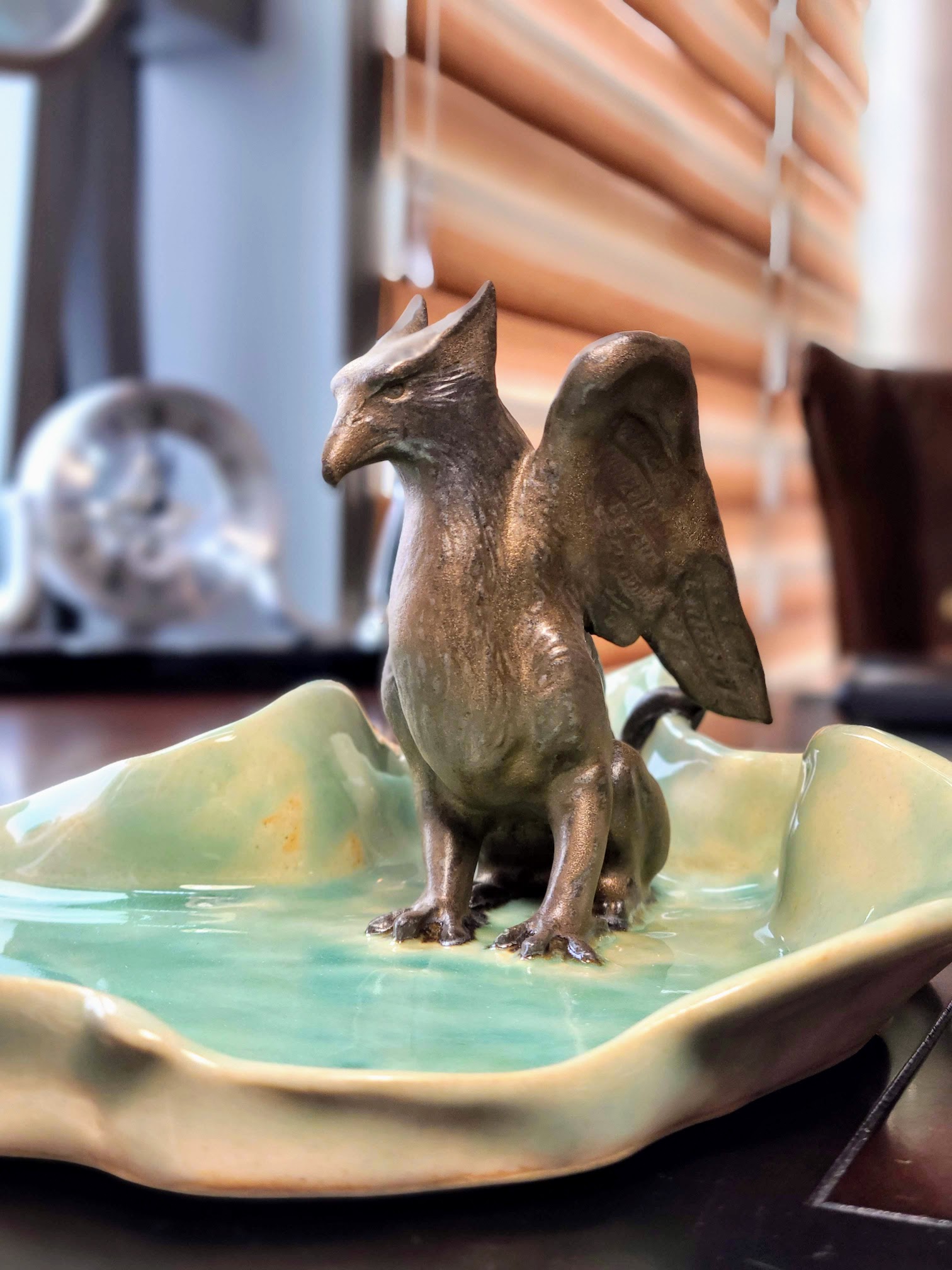
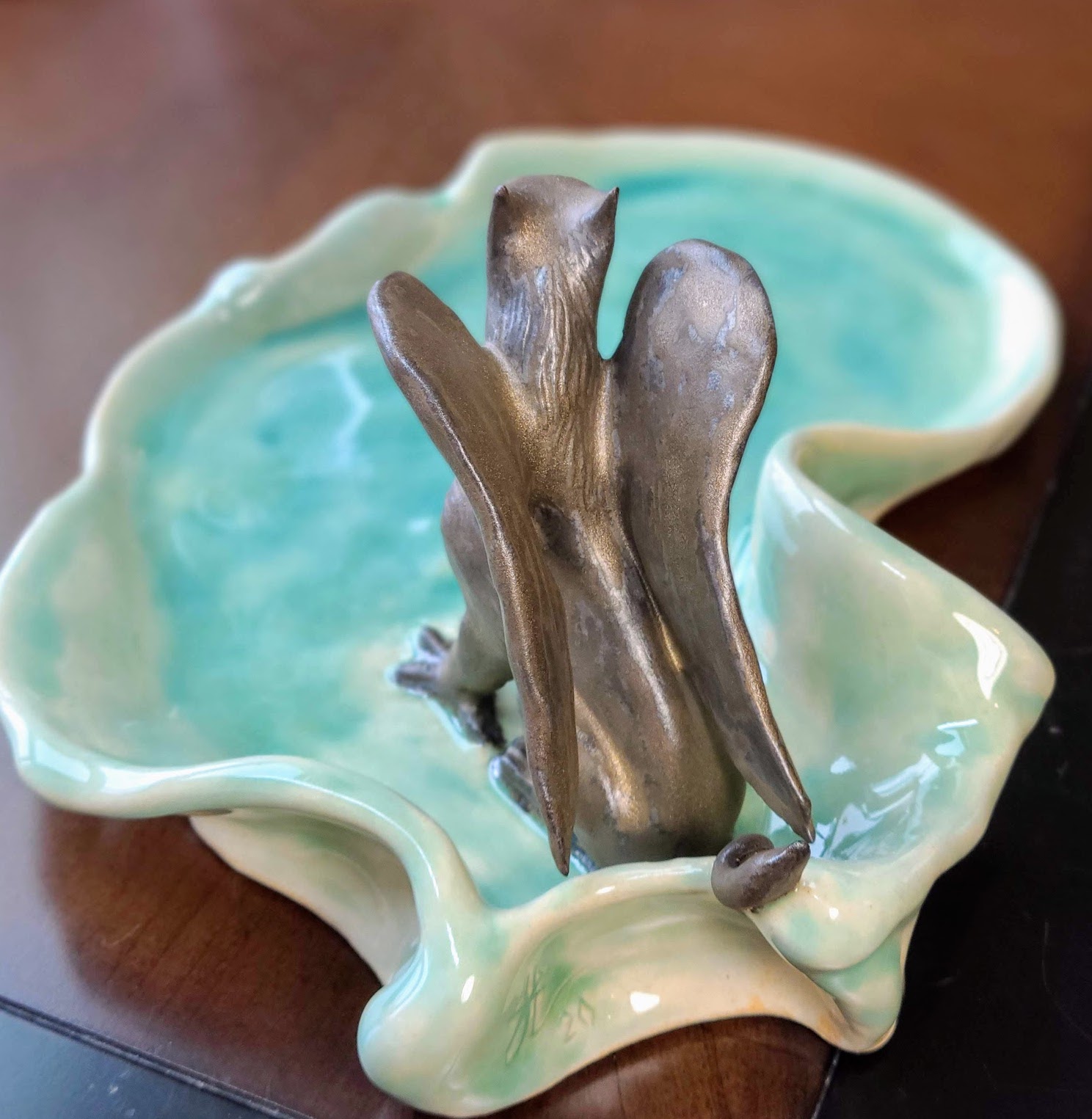
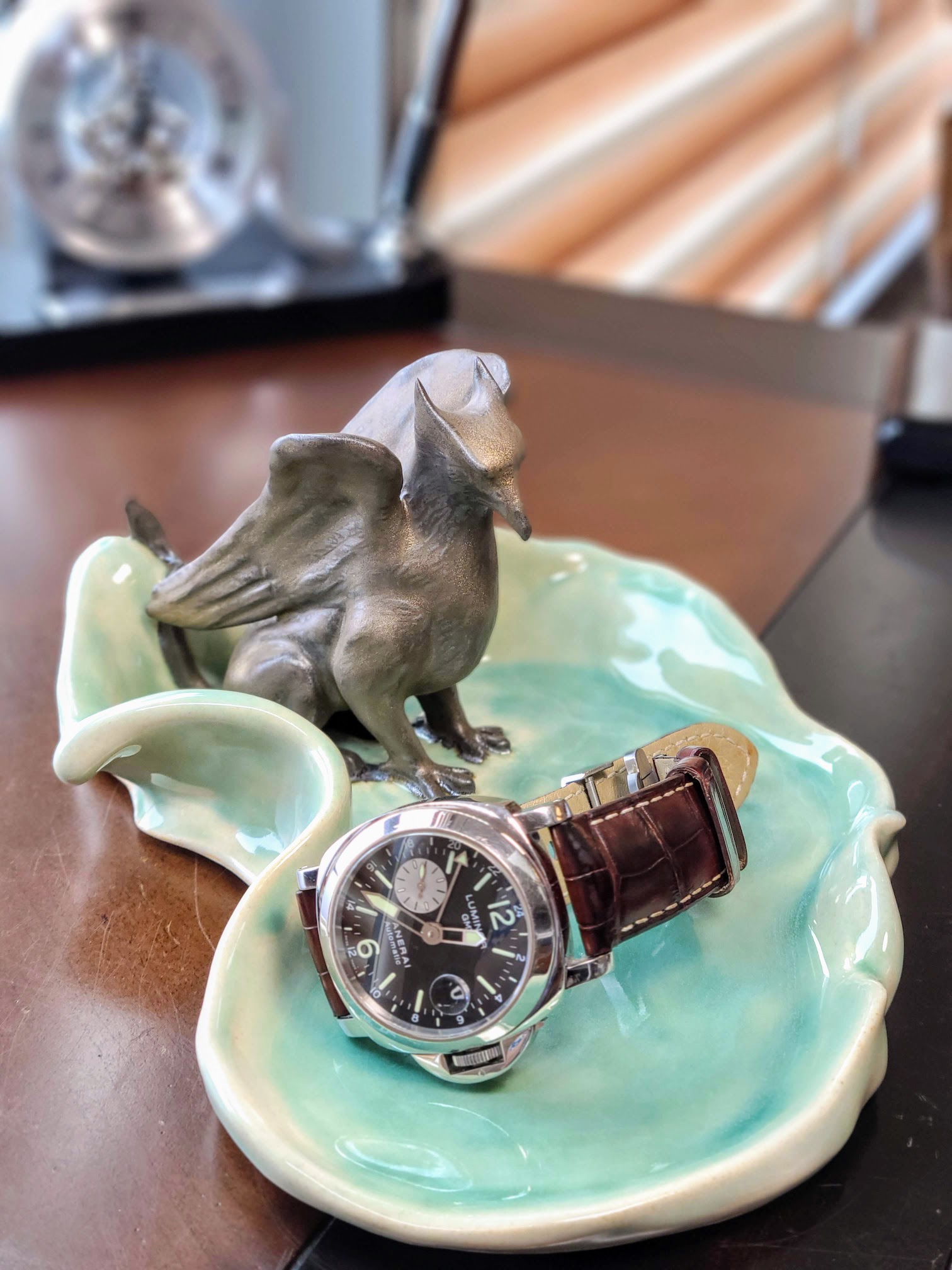
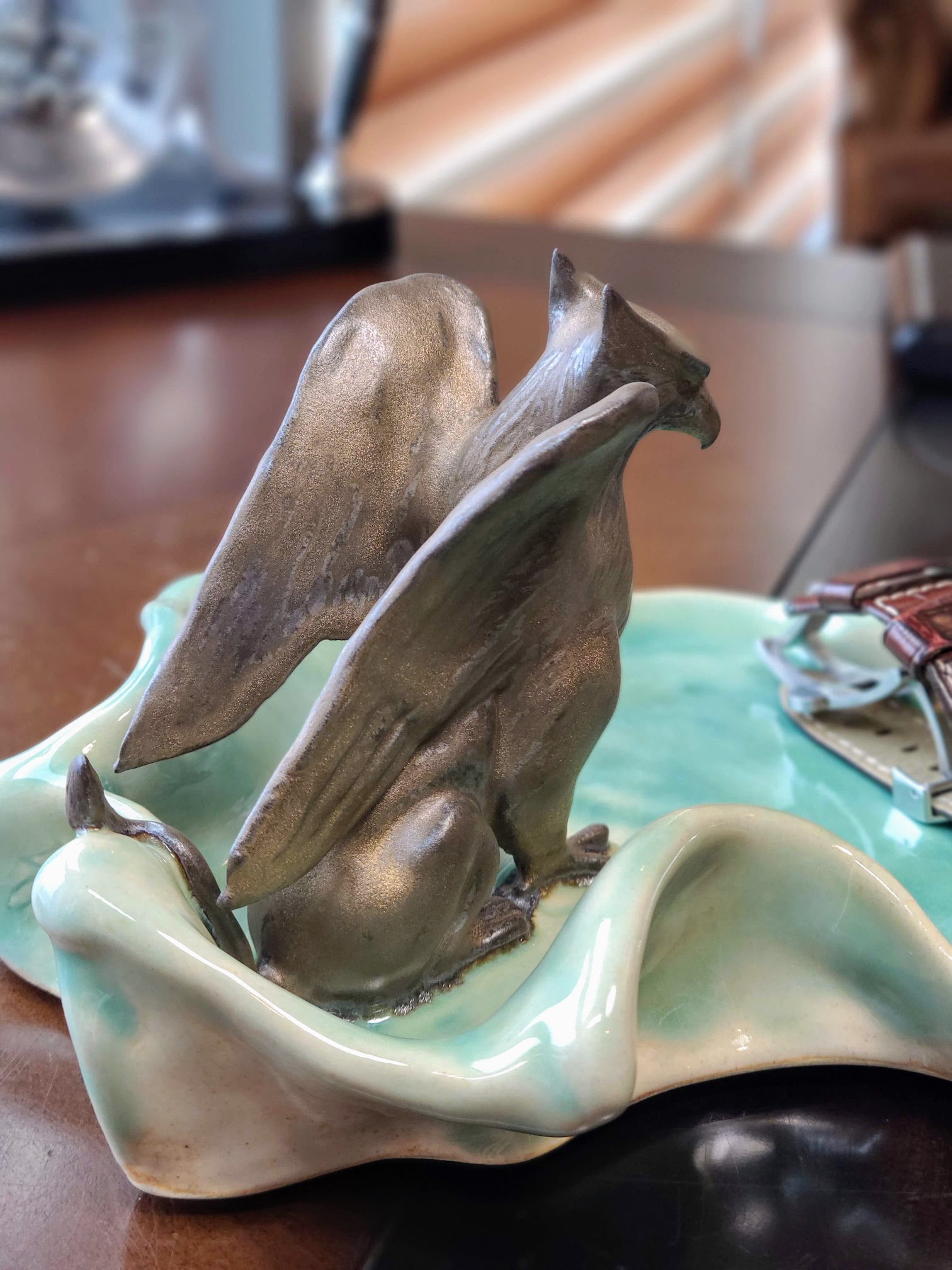
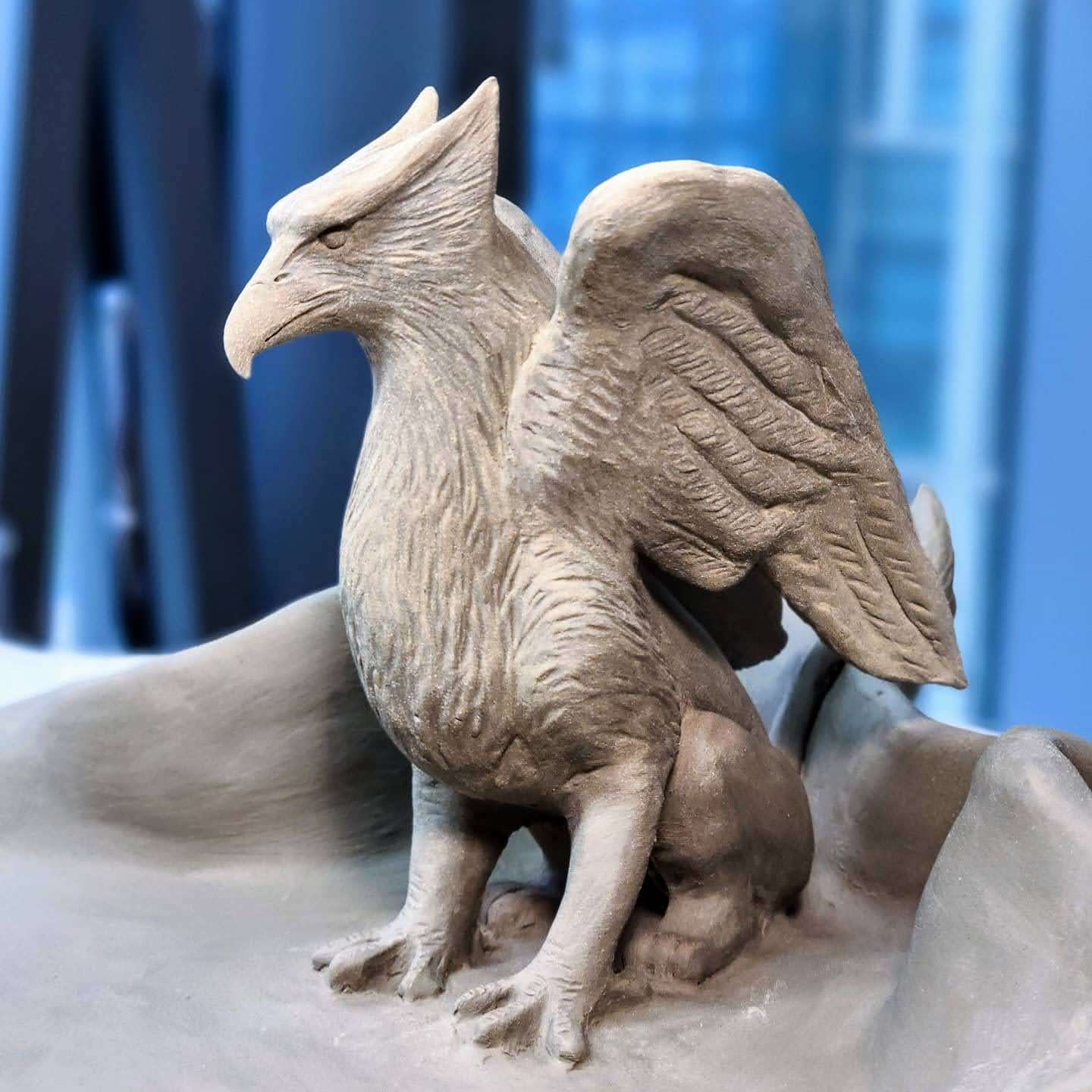
Wet clay model
- Details
- Category: Sculptures
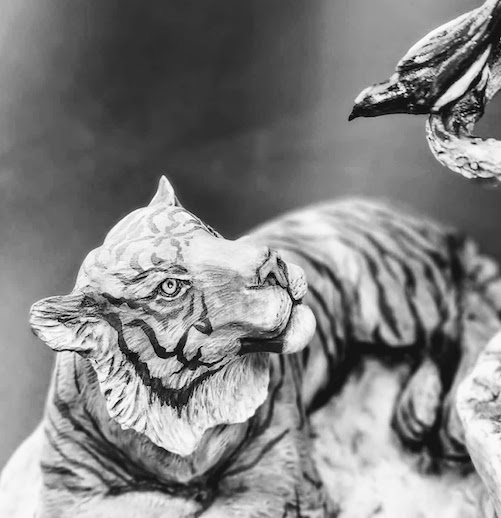
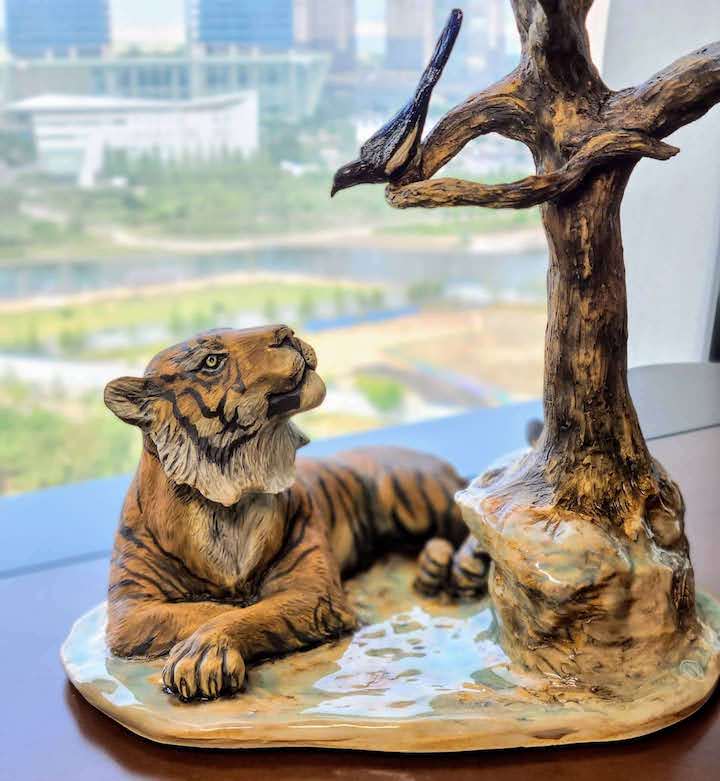
The image of a tiger and magpie was a popular theme in Korean folkart (Minhwa) during the Joseon Dynasty (1400 - 1800s). There were two types of works during this period: "Jakhodo" and "Kkachi horangi." In Jakhodo the letter “jak” means magpie; “ho” means tiger; and “do” means painting. The magpie implies that good things can happen or a valuable guest may come. The tiger symbolizes expelling bad spirits. Jakhodo paintings are thought to keep away evil spirits and influence, and there is a tradition to hang the art piece in the house in the first month of the lunar calendar. In kkachi horangi paintings, the tiger is intentionally given a ridiculous and stupid appearance (hence its nickname "idiot tiger" 바보호랑이), and represents authority and the aristocratic yangban, while the dignified magpie represents the common man. Hence, kkachi horangi paintings of magpies and tigers were a satire of the hierarchical structure of Joseon's feudal society.
There is also a folktale that may have served as the backdrop for the imagery of the tiger looking up at the magpie from "Minhwa: Tales of Korean Folk Paintings" by Yul Soo Yoon:
|
Once upon a time, a tiger wandered into a big puddle in the forest. Incapable of freeing himself, he anxiously waited for someone to rescue him. He endured three days without a meal before a goodhearted woodcutter happened to pass by. |
My thanks again to the Ceramic Art Studio and Shop.

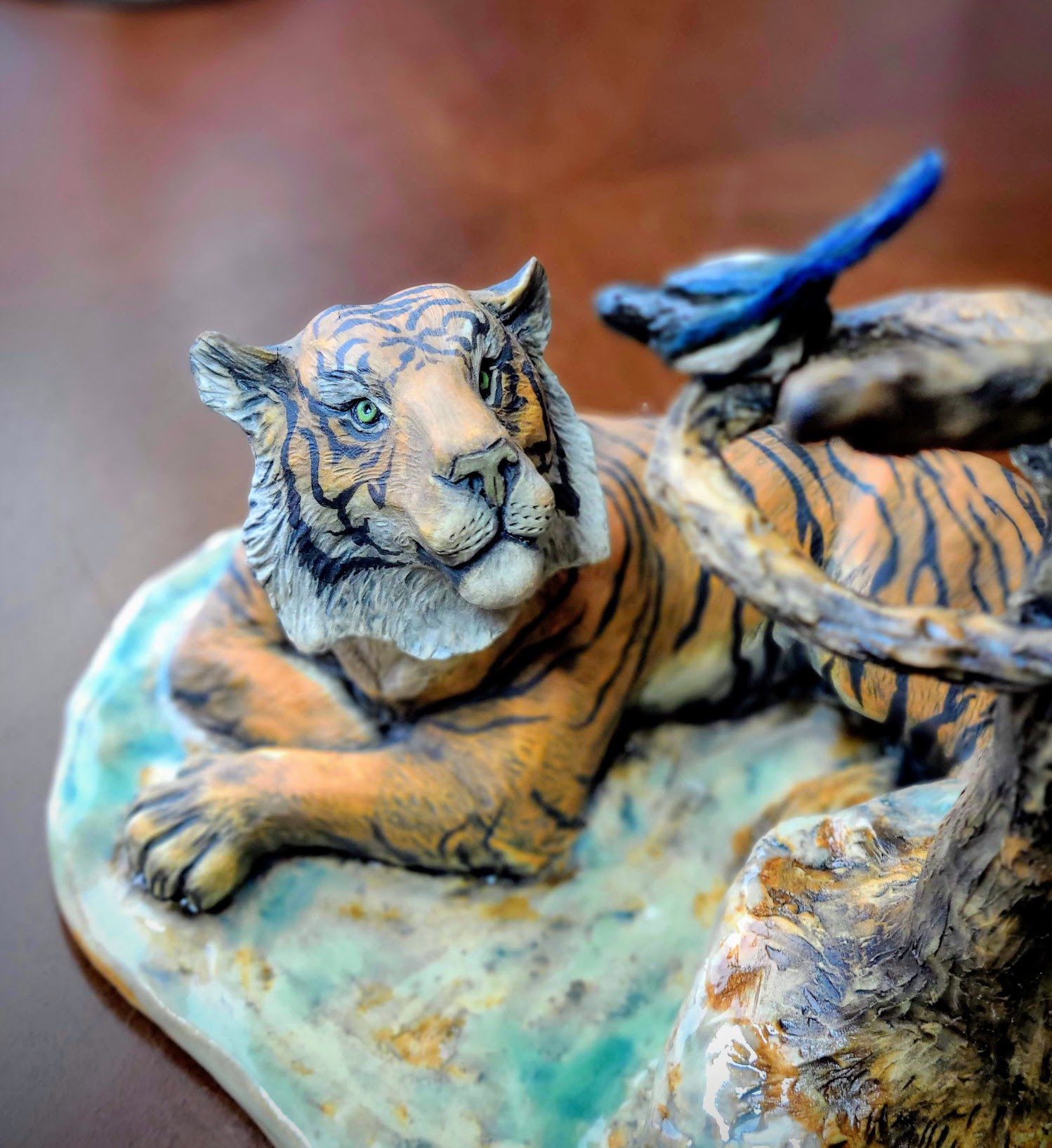
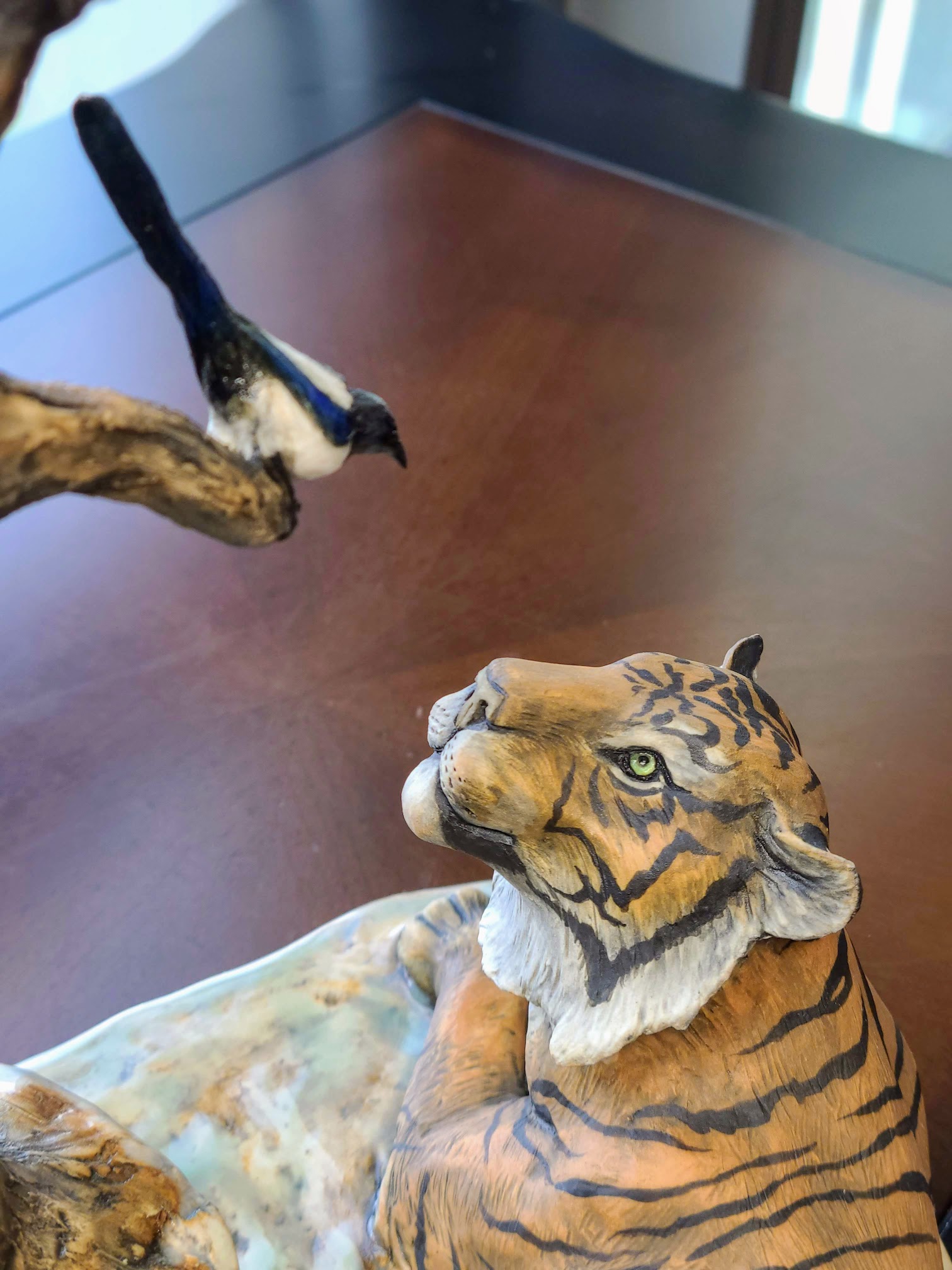
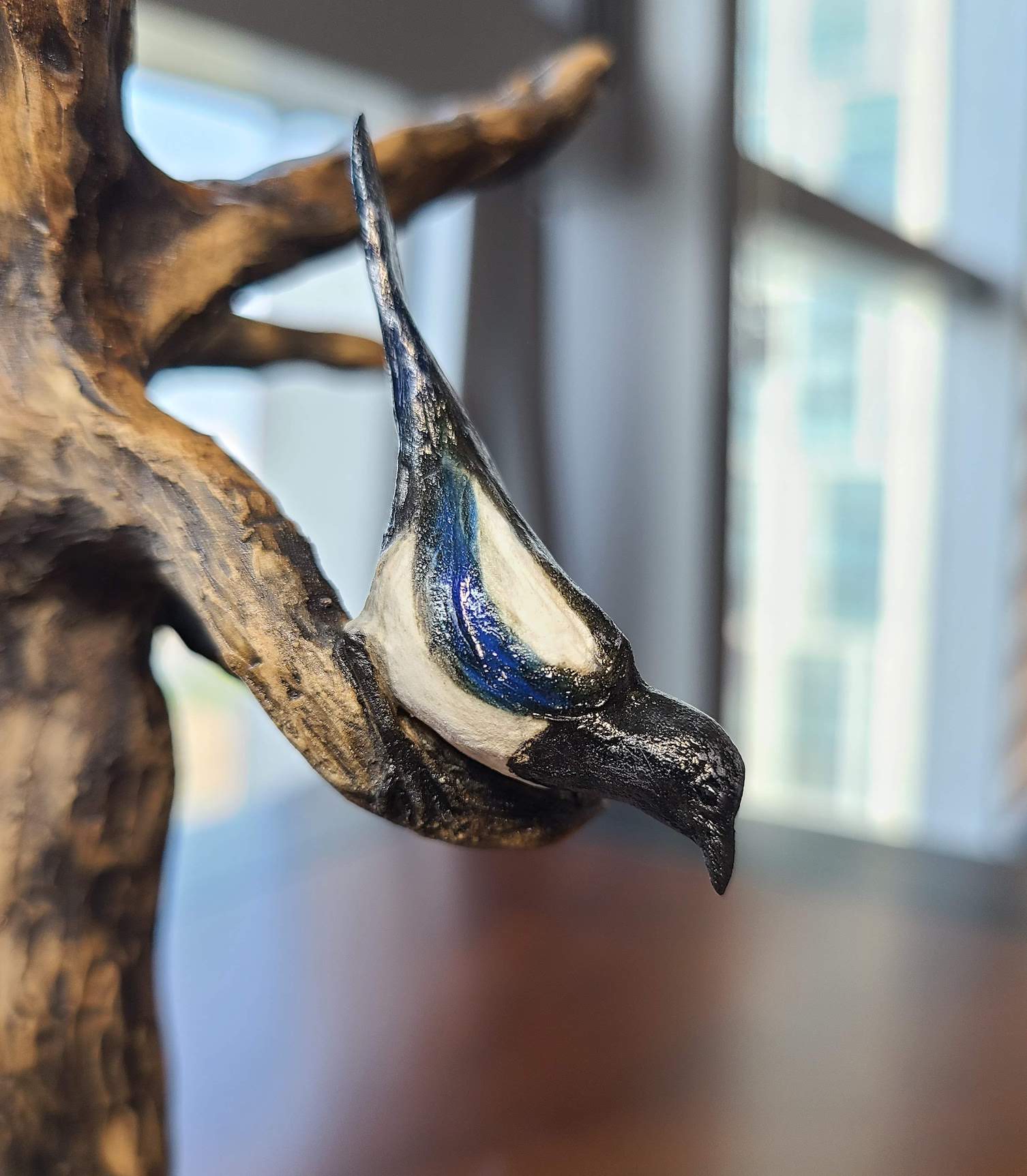
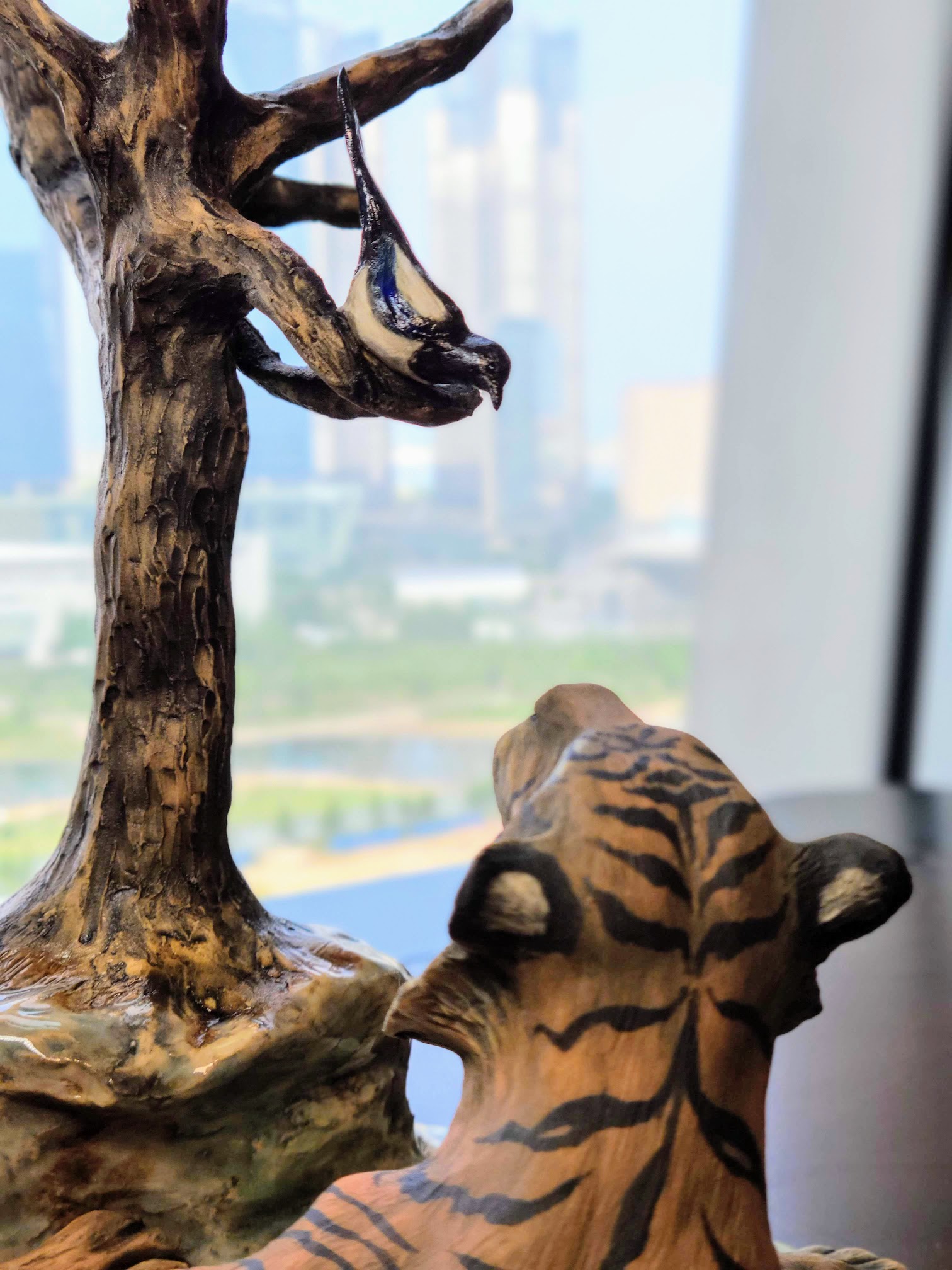
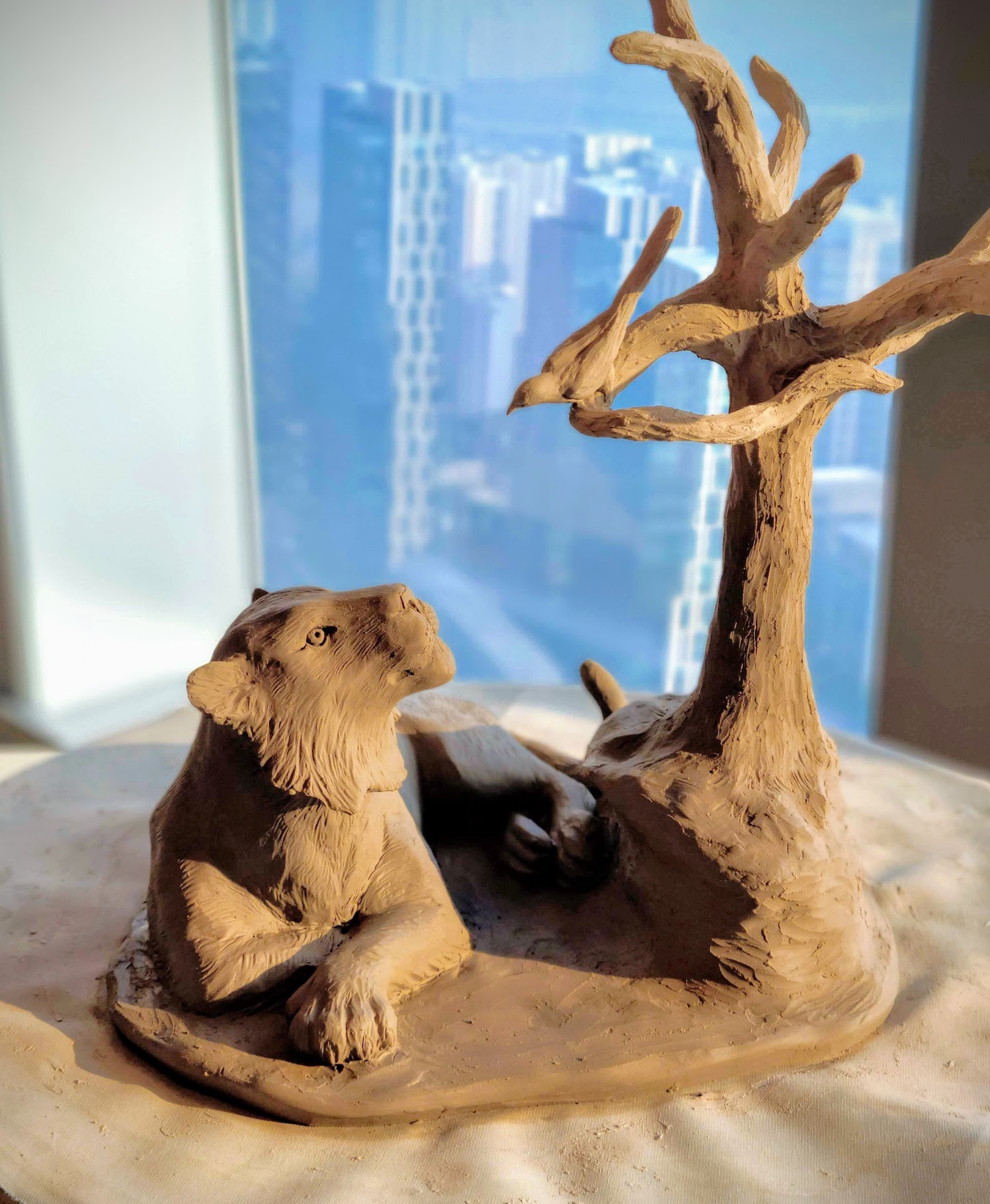
Wet clay model
Page 28 of 55
- You are here:
-
Home

- Sculptures